Ranked by wild population

Extinction Check — the world's most endangered animals, ranked by wild population

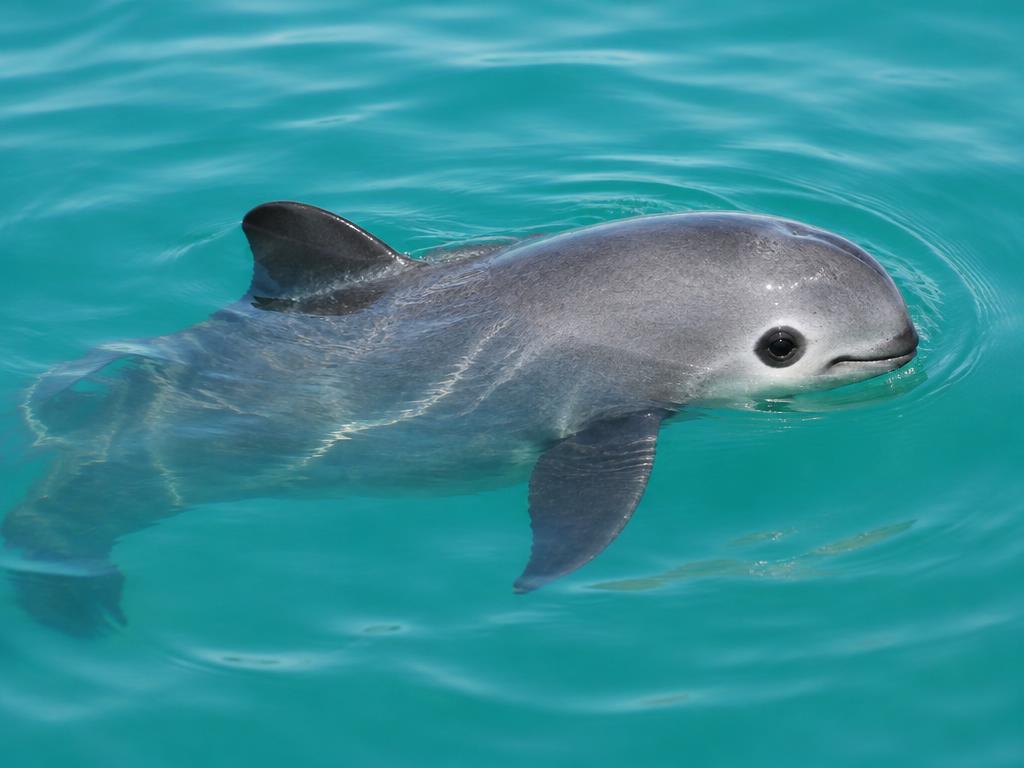
Vaquita

Phocoena sinus · Gulf of California

<10left in the wild
est. 2024

The vaquita is the world's most endangered marine mammal, driven to the brink by gillnet fishing in the Gulf of California.
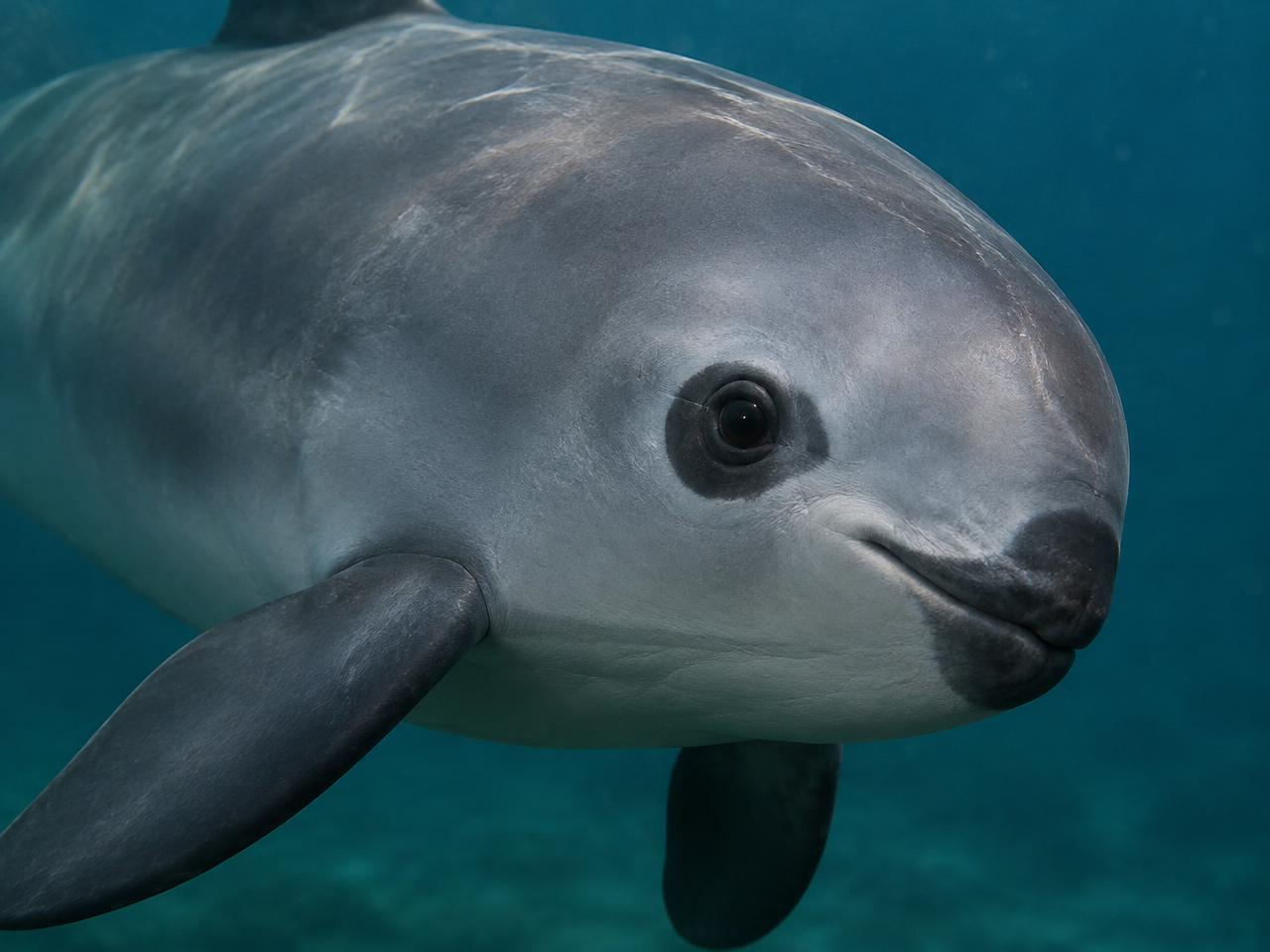
Source: Sea Shepherd · IUCN Red ListSurvey estimate, 2024
A vaquita porpoise underwaterIllustrative depiction

Trend

Declining sharply

Featured species

Six of the best-known animals on the frontline.

Browse all 48 species →
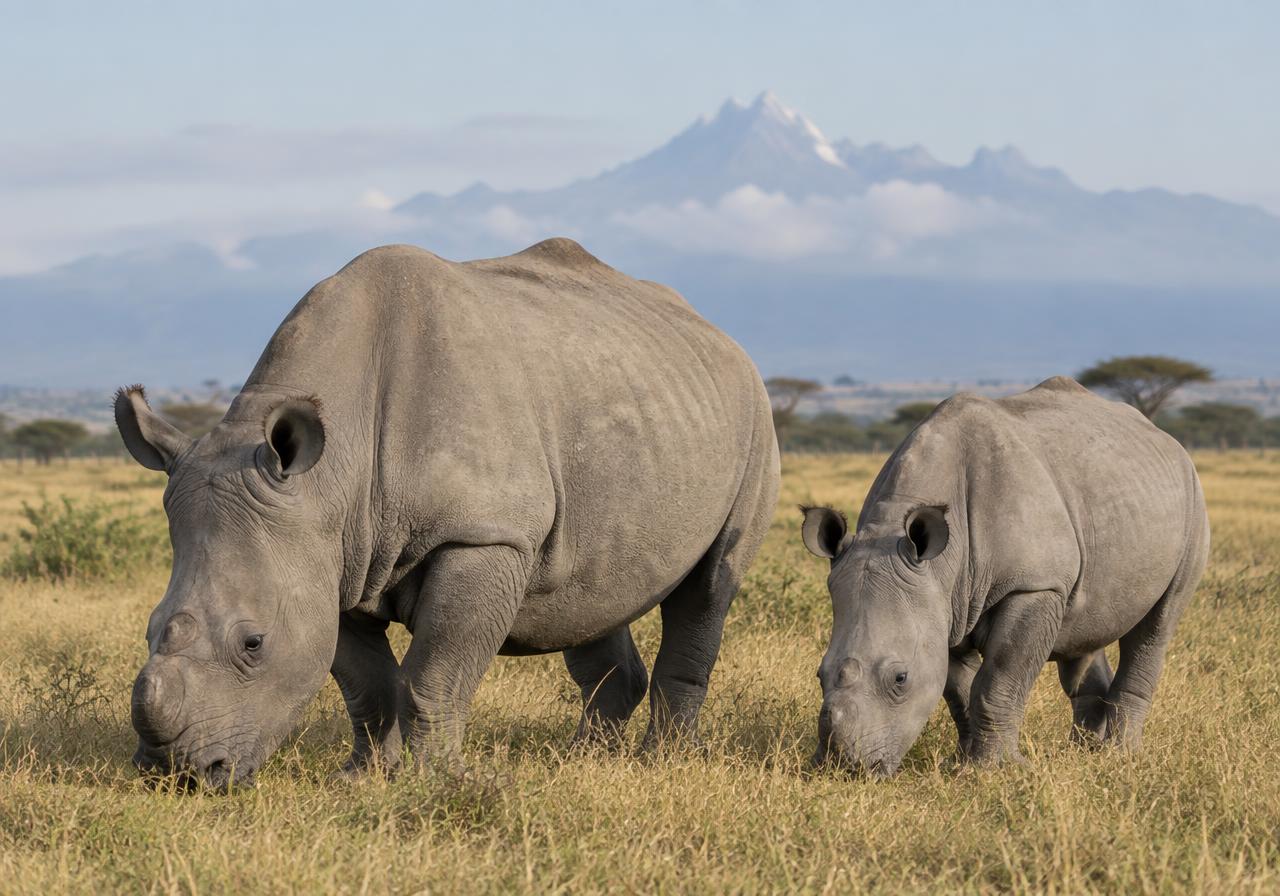
Northern White RhinoIllustrative depiction

Northern White Rhino

Africa · 0.0°N 36.9°E

2
Trend: functionally extinctIUCN CR
VaquitaIllustrative depiction

Vaquita

Americas · 31.0°N 114.6°W

<10
Trend: decliningIUCN CR
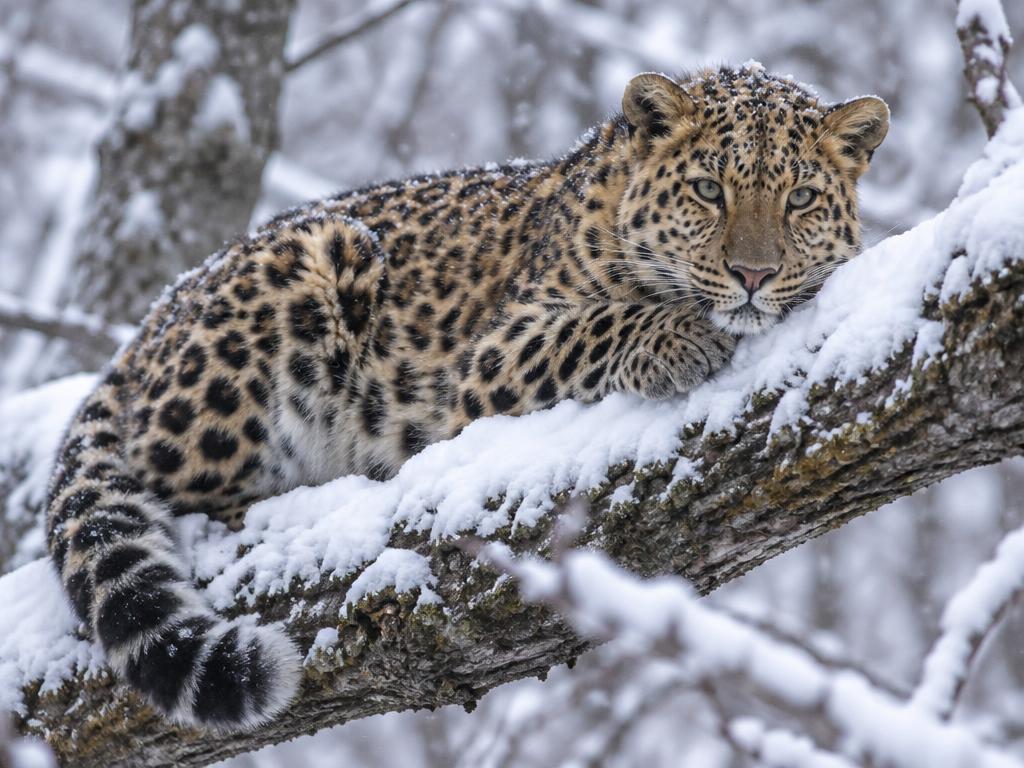
Amur LeopardIllustrative depiction

Amur Leopard

Asia · 43.1°N 131.2°E

~130
Trend: recoveringIUCN CR
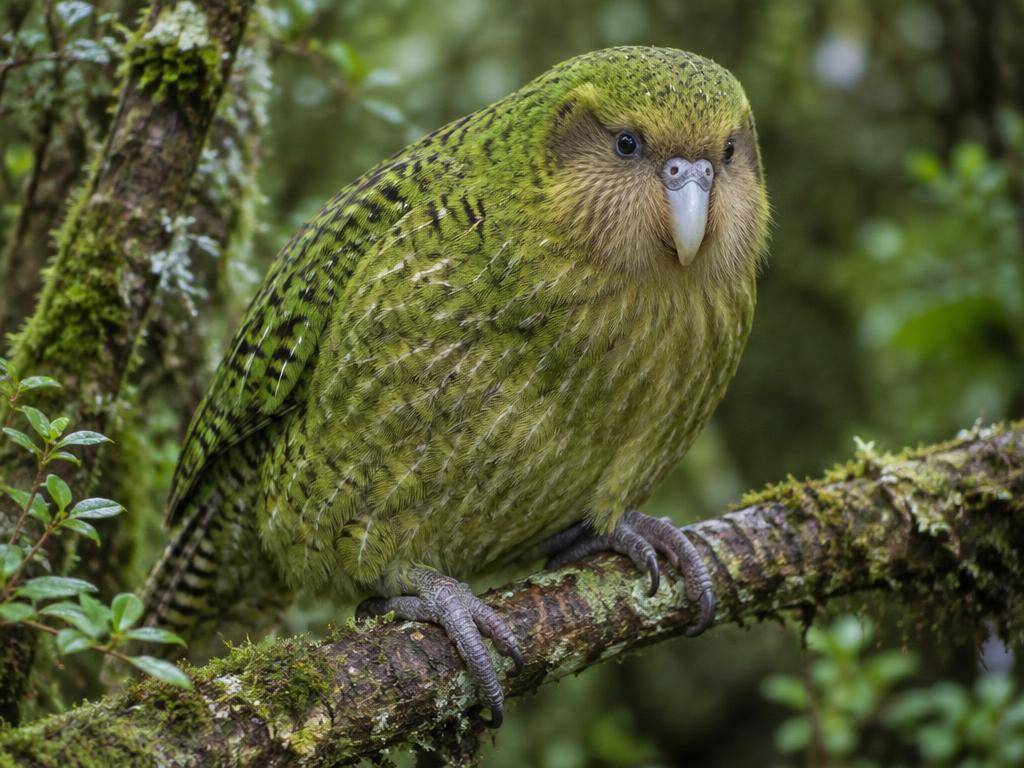
KākāpōIllustrative depiction

Kākāpō

Oceania · 46.9°S 168.1°E

~325
Trend: recoveringIUCN CR
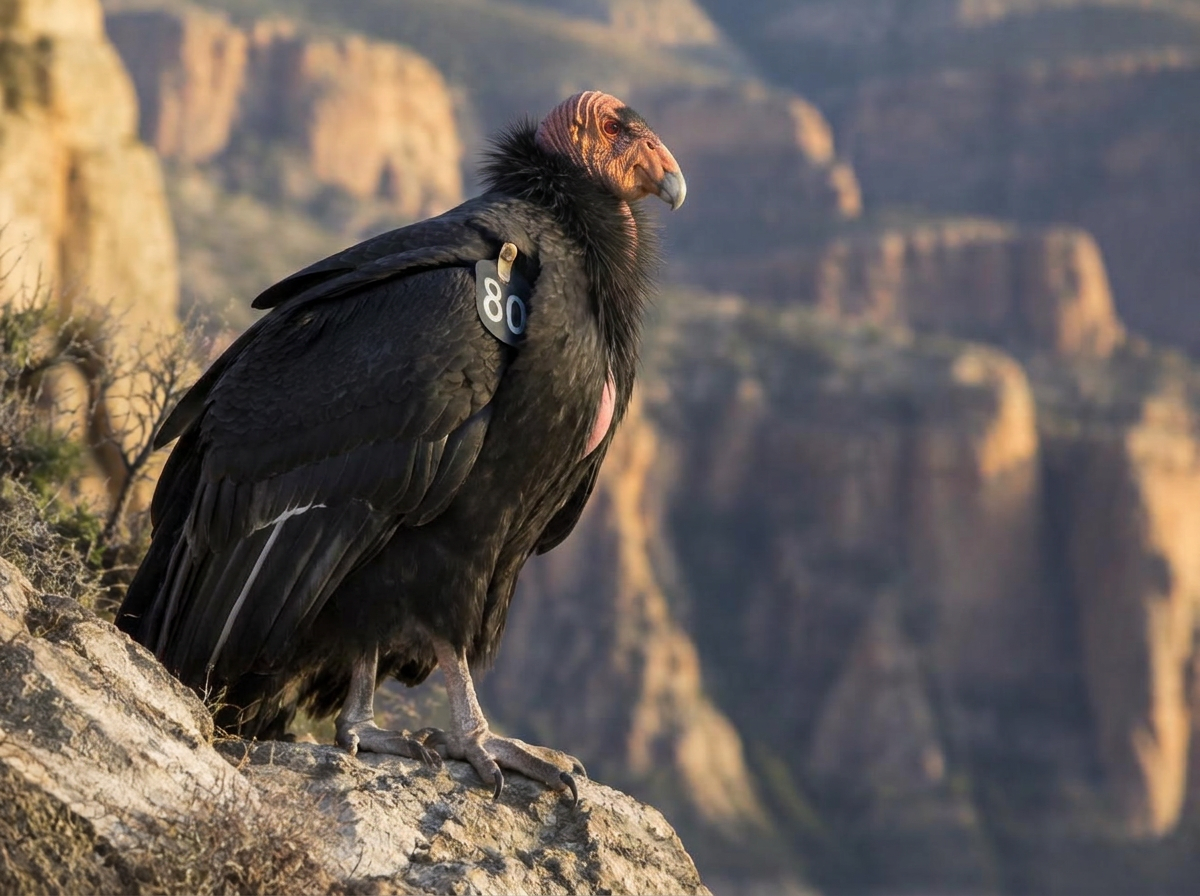
California CondorIllustrative depiction

California Condor

Americas · 36.3°N 121.5°W

392
Trend: recoveringIUCN CR

How the numbers are sourced

Every figure is traceable

Primary source

IUCN Red List of Threatened Species

Method

Peer-reviewed population estimates, cross-checked against field surveys

Refreshed

Each assessment is dated and versioned

Organisations protecting them

View all

Rhino

BioRescue

Using IVF and stem-cell science to bring the northern white rhino back from the brink.

Visit ↗

Marine

Sea Shepherd Conservation Society

Removing illegal gillnets from the vaquita's last refuge in the Gulf of California.

Visit ↗

Island

Kākāpō Recovery programme

Hand-rearing the world's only flightless, nocturnal parrot.

Visit ↗

Field notes

Stay close to the species that matter

Join the list for conservation news, new population estimates and ways to help the world's rarest animals.

Your email and consent are stored privately for the newsletter launch. We'll ask you to confirm before sending newsletters, and every issue will include an unsubscribe link.

Help us keep the archive complete

Know a critically endangered species we haven't listed yet, or a figure that's out of date? Tell us — every submission is checked against published sources before it goes live.